Mastering the Art of 3D Ball Christmas Graphic Design: A Guide to High-Quality Festive Visuals
The holiday season is synonymous with warmth, tradition, and, undeniably, the iconic image of the Christmas ball. Whether hanging from a pine tree or featured in digital advertisements, these spherical ornaments are central to festive aesthetics. However, in the modern digital landscape, simply photographing a bauble is no longer enough. Designers, marketers, and content creators are increasingly turning to 3D graphic design to create stunning, high-quality visuals that capture attention in a crowded media environment. This article explores the intricacies of creating superior 3D Christmas ball designs, explaining why quality matters and how you can achieve professional results.
Why 3D Design Transforms Holiday Graphics
Traditional photography has its place, but 3D design offers unparalleled control and versatility. When designing for commercial use, social media, or web banners, the ability to manipulate lighting, texture, and composition without physical constraints is invaluable. A high-quality 3D render allows for perfect symmetry, flawless reflections, and impossible camera angles that would be difficult or expensive to achieve in a studio setting.
Furthermore, 3D assets are scalable and adaptable. Once a base model of a Christmas ball is created, it can be re-textured, recolored, and re-lit for various campaigns without needing a new photoshoot. This efficiency makes 3D design a cornerstone of modern holiday marketing strategies.
The Psychology of Perfection
Consumers associate high-quality visuals with high-quality products. A pixelated or poorly lit image of a Christmas ornament can subconsciously signal low value. Conversely, a crisp, ray-traced 3D render with realistic glass refraction and metallic sheen conveys luxury and professionalism. This is particularly important for e-commerce businesses where the visual representation is the only touchpoint a customer has with the product before purchase.
Key Elements of High-Quality 3D Christmas Balls
Creating a "good quality" 3D design is not just about using expensive software; it is about understanding the physics of light and material. Here are the critical components that distinguish amateur renders from professional-grade graphics:
- Material Realism: Christmas balls typically feature glass, plastic, or metallic surfaces. Accurate shader settings are crucial. For glass, you must adjust transmission and roughness to mimic transparency and frost. For metallic finishes, the reflection index and anisotropy determine how light scatters across the curve.
- Lighting Setup: Lighting defines the mood. A standard three-point lighting setup may look flat on a sphere. Instead, use HDRI (High Dynamic Range Imaging) environments to provide complex, realistic reflections. The reflection of a cozy living room or twinkling lights on the surface of the ball adds depth and context.
- Texture Details: Even smooth objects have imperfections. Adding subtle surface noise, fingerprints, or dust particles can break up the "computer-generated" look and add a layer of authenticity that viewers appreciate.
- Composition and Depth: A lone ball floating in void space is rarely engaging. Use depth of field to blur the background, focusing the viewer’s eye on the intricate details of the ornament. Incorporate elements like pine needles, snowflakes, or ribbons to create a narrative scene.
Practical Applications in Modern Business and Creativity
Understanding how to create these assets opens doors across various industries. It is not limited to greeting card companies. Here is how high-quality 3D Christmas ball designs fit into different sectors:
- E-Commerce and Retail: Online stores use 3D renders for product listings because they ensure consistent lighting and color accuracy across all items. This reduces return rates caused by misleading photographs.
- Social Media Marketing: Platforms like Instagram and Pinterest favor high-resolution, visually striking content. Animated 3D balls that rotate or sparkle can significantly increase engagement rates compared to static images.
- Motion Graphics and Video: Video intros for holiday sales often feature flying ornaments. Having a library of high-quality 3D models allows video editors to create dynamic sequences without costly filming.
- Web Design: Interactive websites may use WebGL to allow users to spin and customize virtual ornaments, enhancing user experience and time-on-site metrics.
Common Misunderstandings About 3D Holiday Design
Despite its benefits, there are several myths surrounding 3D graphic design that can hinder beginners. Clarifying these can help you approach your projects with greater confidence.
Myth 1: 3D Design is Always Faster than Photography.
While 3D offers long-term efficiency, the initial setup—modeling, texturing, and rendering—can be time-consuming. It is most efficient when you need multiple variations of the same object. For a single, simple shot, photography might be quicker.
Myth 2: Higher Polygon Counts Equal Better Quality.
Many beginners believe that adding more geometric detail automatically improves quality. In reality, a smooth sphere requires very few polygons. Quality comes from lighting, shading, and post-processing, not just mesh density. Over-polygonizing can slow down rendering times without visible benefit.
Myth 3: You Need Expensive Software to Start.
While industry standards like Cinema 4D or Maya are powerful, free tools like Blender offer robust capabilities for creating high-quality 3D Christmas graphics. The skill lies in the artist's understanding of principles, not just the price tag of the tool.
Step-by-Step Approach to Creating Your First Render
If you are new to this field, here is a simplified workflow to achieve a professional look:
1. Model the Base Shape
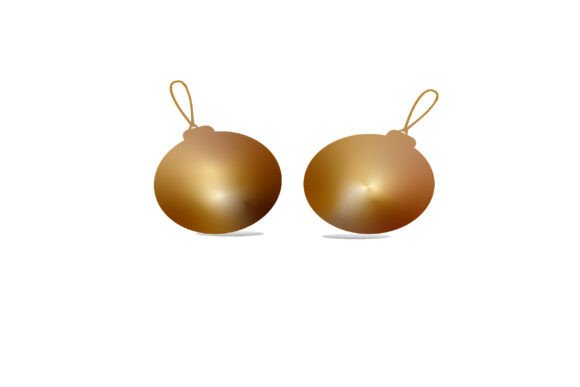
Start with a primitive sphere. Add a small cylinder or torus at the top to represent the cap and loop. Ensure the geometry is clean and smoothed.
2. Apply Materials
Choose your finish. For a classic red ball, use a glossy shader with high reflectivity. For a matte finish, increase the roughness value. Experiment with subsurface scattering if you want a translucent, wax-like appearance.
3. Set Up the Environment
Instead of plain lights, use an HDRI map of a winter scene or a studio setup. This provides natural reflections on the curved surface of the ball, which is essential for realism.
4. Render and Post-Process
Render the image at a high resolution. Bring the file into Photoshop or similar software to adjust contrast, saturation, and add glow effects to highlights. This final polish often makes the difference between a good render and a great one.
The Future of Festive Digital Design
As technology advances, the line between reality and digital creation continues to blur. We are seeing a rise in augmented reality (AR) applications where users can place virtual 3D Christmas balls in their real-world living rooms via smartphone cameras. This trend demands even higher quality assets, as they must hold up under close inspection in varied lighting conditions.
Moreover, sustainability is becoming a key theme. Digital designs reduce the need for physical prototypes and waste in the design phase. By mastering 3D graphic design, creators contribute to a more sustainable workflow while delivering visually spectacular results.
Conclusion
Creating high-quality 3D Christmas ball graphics is a blend of technical skill and artistic vision. It requires an understanding of light, material, and composition, but the rewards are significant. From enhancing brand perception to enabling creative freedom, 3D design has become an essential tool in the holiday toolkit. Whether you are a seasoned designer or a curious beginner, focusing on the fundamentals of realism and leveraging the right tools will help you produce festive visuals that resonate with audiences. Embrace the complexity, pay attention to the details, and let your digital ornaments shine with professional brilliance.